
Why Saints Matter Today -  More Than History
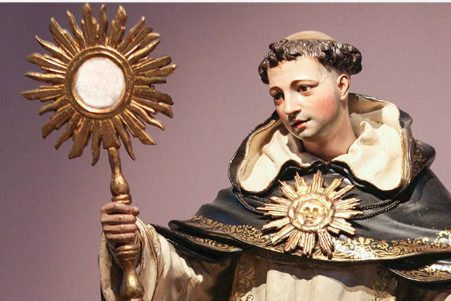
St. Thomas Aquinas
St. Thomas Aquinas, the greatest theologian in Catholic tradition, taught that the Eucharist is the "Sacrament of love" and the source of all grace. He wrote the Tantum Ergo and O Salutaris Hostia, hymns still sung during Eucharist Adoration.
1. Defender of the doctrine of Transubstantiation
2. Composer of Eucharist hymns(Tantum Ergo, O Salutaris Hostia)
3. Called the Eucharist "The greatest of all miracles.
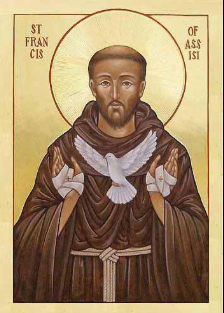
St. Francis of Assisi -
Reverence to Christ in the Eucharist
St. Francis adored the Eucharist with deep humanity. He saw the Eucharist as the continuing Incarnation of the same Christ who was born in Bethlehem.
1. Tremendous reverence for priests and the Eucharist
2. Wrote strongly about the Real Presence
3. said, "We must honor this Sacrament with all our heart".
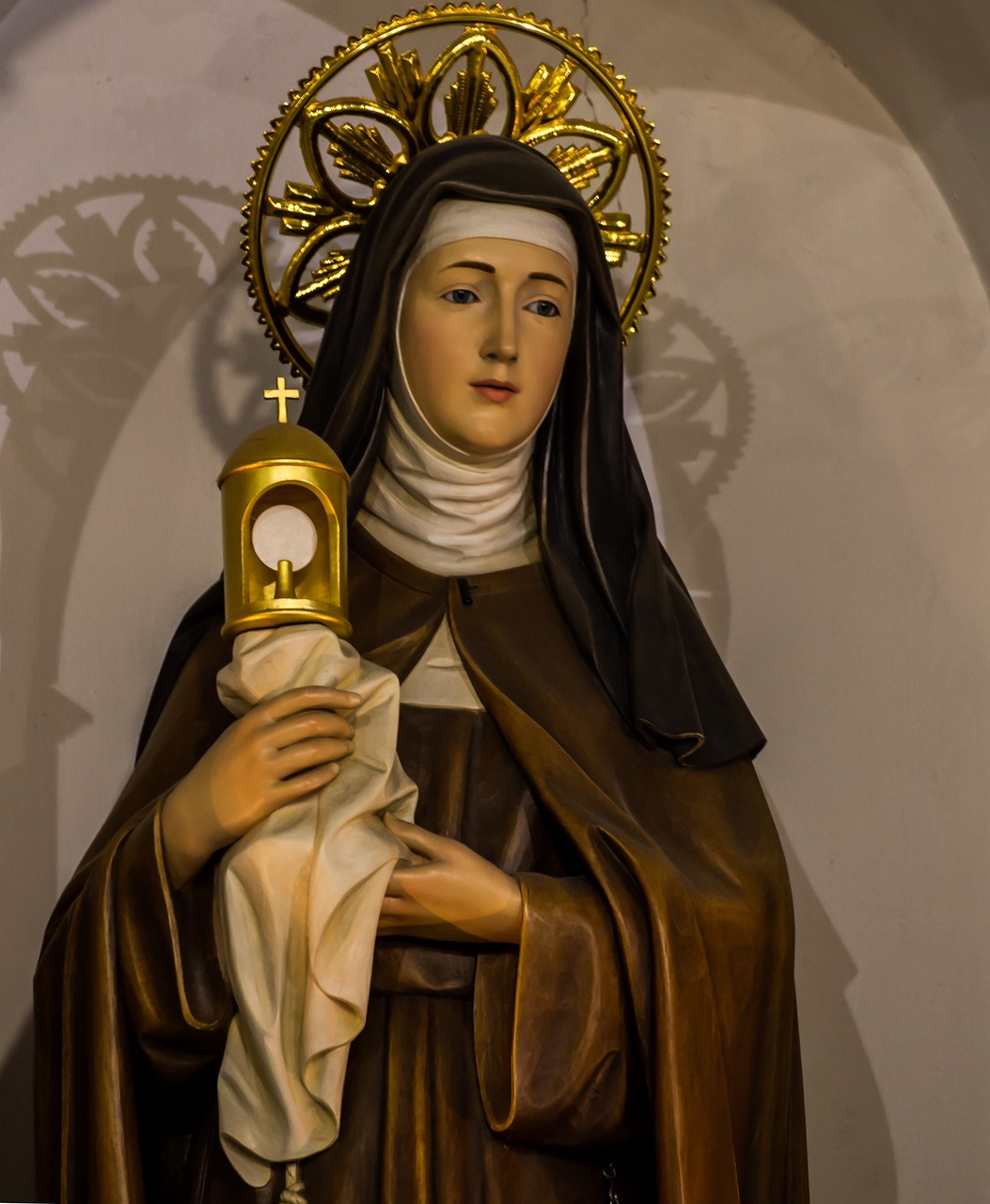
St. Clare of Assisi -
Eucharist as Protection and Strength
St. Clare of Assisi was associated with a powerful Eucharist miracle in her life. She called Christ in the Eucharist her "Strength and Shield"
1. Believed deeply in the Eucharist's power
2. Held the Blessed Sacrament up to stop attackers - miraculous protection
3. spent long hours in Eucharist prayer
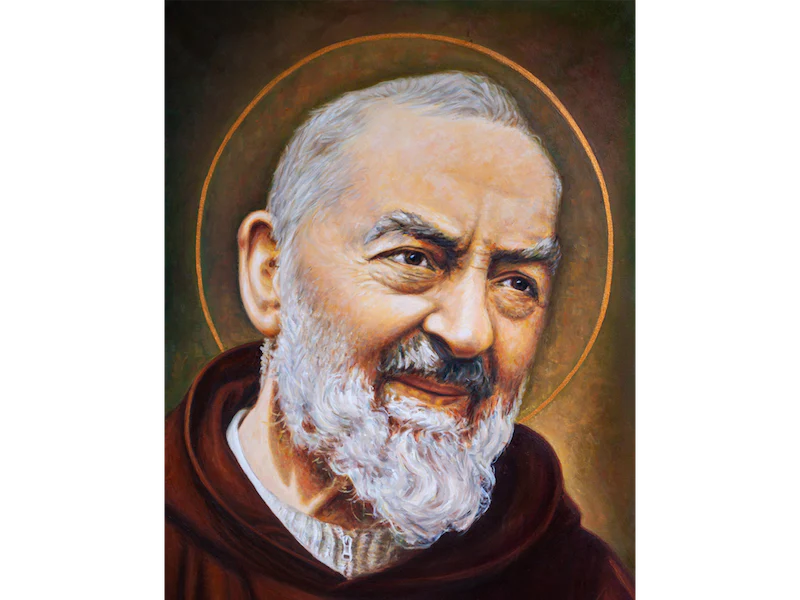
St. Padre Pio -
Living the Mystery of the Mass
St. Padre Pio called the Mass "the renewal of Calvary". He received the gift of the stigmata and lived with the suffering of Christ, making his devotion to the Eucharist profound.
1. Lived the Mass with deep Mystical union
2. said, "The Eucharist is the heart of life".
3. Spent nights in prayer before the Blessed Sacrament.
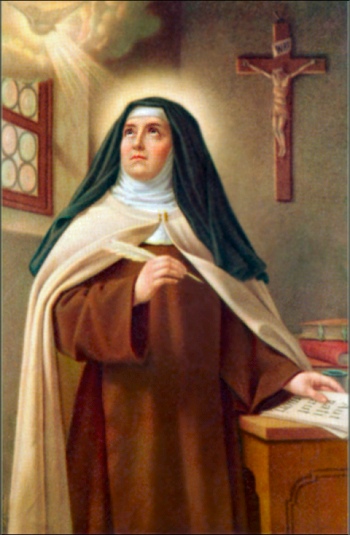
St. Teresa of Avila -
Christ's Presence as a Friend
St. Teresa taught that receiving the Eucharist is receiving the living Christ, the same Jesus she encountered in the Mystical visions.
1. The Eucharist strengthen the soul like a spiritual food
2. Communion unites the soul intimately with Christ.
For Teresa, the Eucharist was the most concrete way Christ remained present to the soul. She writes that Jesus "is truly present" in the sacrament and calls the Eucharist "a great treasure" that strengthens the soul in its journey towards union with God. Throughout her illnesses and hardships, Teresa saw the Eucharist as spiritual nourishment.
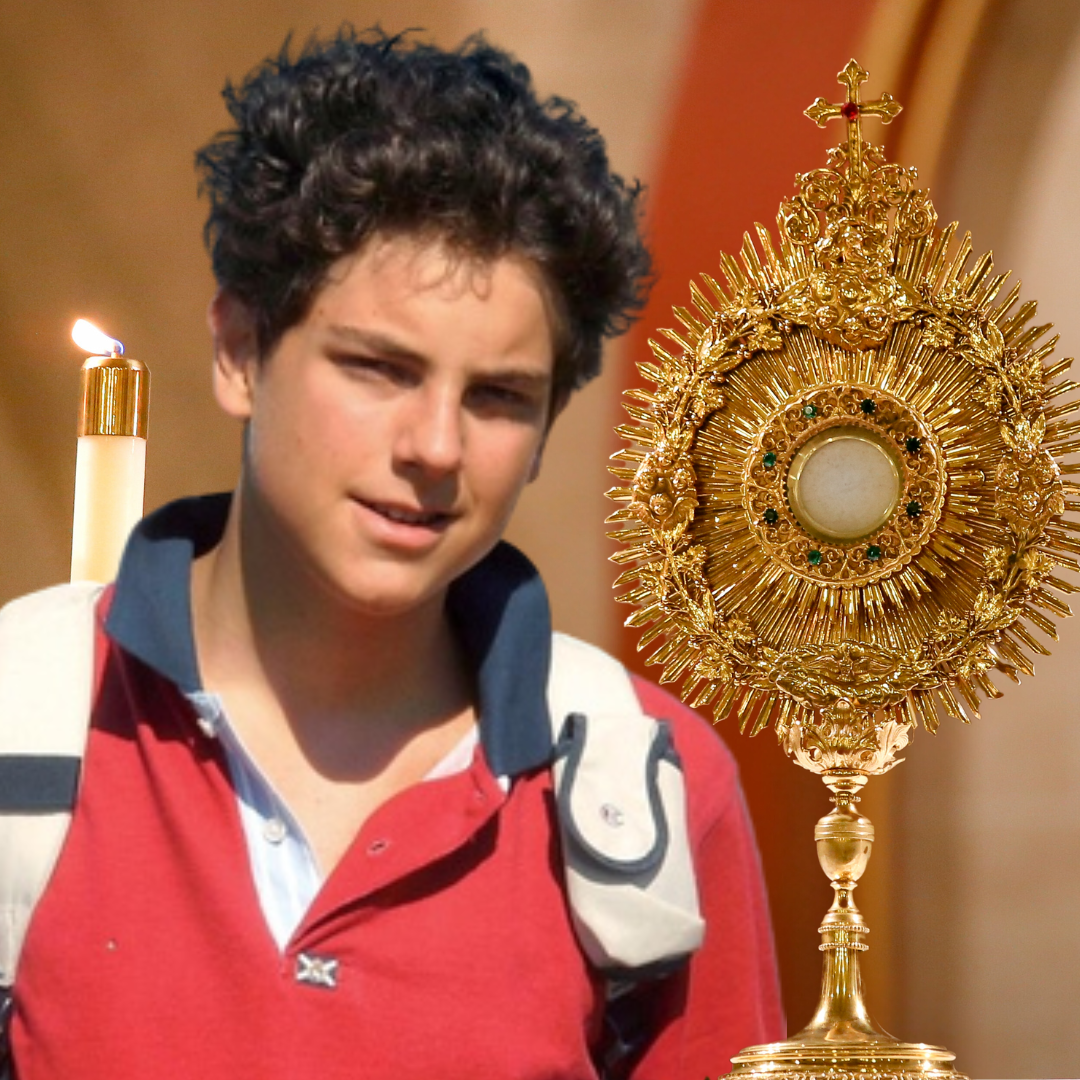
St. Carlo Acutis -
The Millennial Apostle of the Eucharist
St. Carlo Acutis (1991-2006) is one of the youngest saints in the Catholic Church and a powerful modern witness to the Real Presence of Jesus Christ in the Holy Eucharist. Even as a teenager, he understood profound truths about the Eucharist that many adults fail to grasp. He used his gifts in technology not for entertainment, but for evangelisation.
Carlo called the Eucharist: "My highway to heaven"
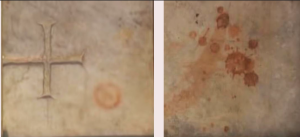
One of Carlo's biggest contributions to the Church was his digital catalogue of Eucharist miracles around the world.